
Why Space Exploration Is Built Around Accepting Failure

Space exploration is often presented as a triumphal story of human ingenuity: rockets rising cleanly into the sky, astronauts floating gracefully in orbit, and probes sending back breathtaking images from the edge of the solar system. What this polished narrative hides is a deeper and far more uncomfortable truth. Space exploration only works because failure is expected, planned for, and deliberately absorbed into the process. Unlike many other fields of human endeavor, spaceflight does not treat failure as an anomaly. It treats failure as data. From the earliest rocketry experiments to modern interplanetary missions, progress in space has been inseparable from things going wrong.
This acceptance is not philosophical optimism or institutional pessimism. It is a hard-earned survival strategy. Space is an environment so hostile, complex, and unforgiving that attempting perfection would paralyze innovation. Engineers, scientists, and mission planners design spacecraft with the assumption that components will break, calculations will be incomplete, and unexpected conditions will arise. Failure is not a sign that the system is broken; it is proof that the system is working as intended.Much like winter apparel, which is engineered to perform reliably under prolonged exposure to extreme and unpredictable conditions, space systems are designed with the expectation that stress and failure are unavoidable parts of success.
Space Is Fundamentally Hostile to Human Assumptions
At the core of space exploration’s relationship with failure is the environment itself. Space does not tolerate human intuition. There is no air, no pressure, extreme temperature variation, intense radiation, microgravity, and vast distances that turn even small errors into catastrophic outcomes. Every assumption humans rely on in daily life fails in space, which means systems built for Earth inevitably break once they leave it. Failure is baked into the physics of the problem.
Early rocketry made this painfully clear. Rockets exploded on launch pads, veered off course, or disintegrated mid-flight because engineers were working beyond the limits of existing knowledge. Materials behaved unpredictably under vacuum. Fuels combusted unevenly. Guidance systems drifted. None of this was unexpected in hindsight, but it was unavoidable in practice. The only way to learn how systems behaved in space was to send them there and watch what failed.
Even today, despite advanced simulation tools, space refuses to be fully modeled. Simulations are approximations, not reality. They cannot perfectly capture how radiation degrades electronics over years, how dust behaves on alien surfaces, or how mechanical components age in microgravity. Every mission is, to some extent, an experiment, and experiments sometimes fail.
This is why space agencies do not ask whether something might go wrong, but when and how. Components are tested to destruction, not to success. Redundancy is layered into every critical system, because the assumption is not reliability, but inevitable breakdown. Accepting failure at the environmental level allows engineers to design systems that survive despite it.
Crucially, this mindset is not defeatist. It is empowering. By acknowledging that space will violate expectations, engineers gain the freedom to test, iterate, and adapt. Denial of failure would be far more dangerous than failure itself, because it would encourage overconfidence in an environment that punishes it relentlessly.
Engineering Culture Treats Failure as Information, Not Embarrassment
One of the most distinctive aspects of space exploration is its engineering culture. In many industries, failure is something to hide, minimize, or assign blame for. In spaceflight, failure is documented, dissected, and shared. Every failed mission becomes a textbook for future success.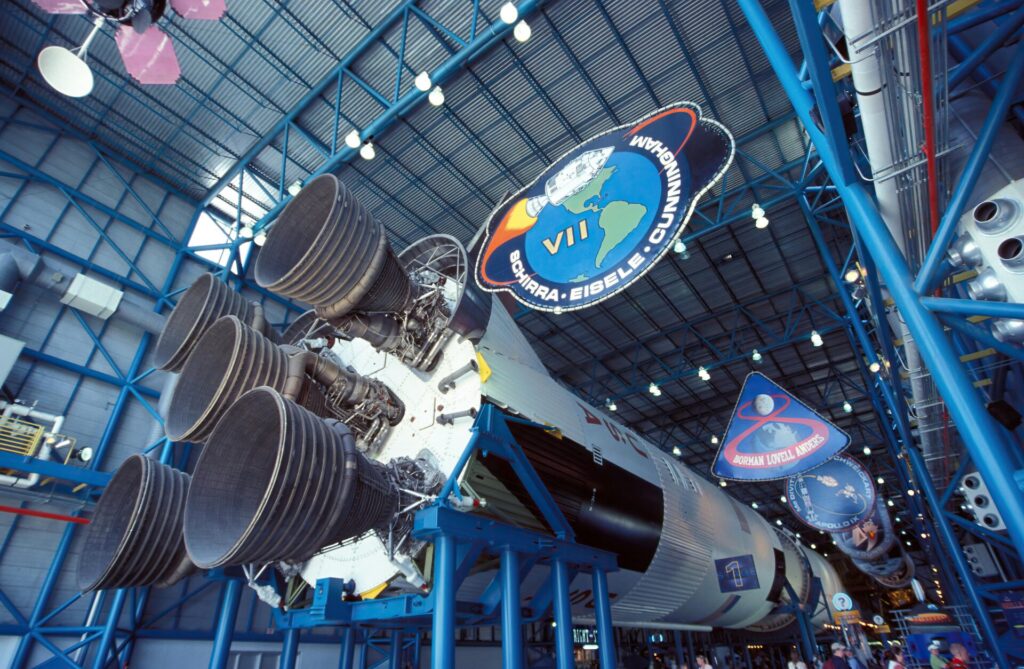
When a spacecraft fails, the response is not simply to move on. Investigations can take years, involving massive interdisciplinary teams. Telemetry is analyzed frame by frame. Hardware is reconstructed digitally. Decision-making chains are reviewed in detail. The goal is not punishment, but understanding. What assumption failed? What signal was misinterpreted? What redundancy was insufficient?
This approach emerged because early spaceflight left no alternative. Rockets are too complex and expensive to fail repeatedly without learning. The cost of ignoring failure is not just financial; it is human life. As a result, space agencies developed rigorous post-failure cultures where transparency is mandatory. Failure that is hidden becomes failure that repeats.
Importantly, this culture shapes how missions are designed from the start. Engineers assume that some subsystems will underperform or behave unexpectedly. Software includes fault-detection logic that anticipates its own errors. Spacecraft are given safe modes that activate when conditions exceed predictions. These are not signs of weakness. They are acknowledgments of reality.
The acceptance of failure also allows for innovation. If every mission had to be flawless, only conservative designs would ever fly. By contrast, when failure is treated as data, engineers can test new materials, propulsion methods, and architectures. Some will fail, but the knowledge gained accelerates progress across the entire field. Risk becomes manageable because failure is instructive rather than terminal.
Mission Design Is Structured Around Anticipated Loss
Another reason space exploration is built around accepting failure is the way missions are structured. Not all missions are meant to succeed in the same way. Some are explicitly designed to fail partially or completely. Loss is sometimes an acceptable and even necessary outcome.
Exploratory missions often prioritize learning over longevity. A probe sent to crash into a planet, dive into an atmosphere, or operate in extreme conditions is not expected to survive indefinitely. Its value lies in the data it sends back before it fails. Engineers plan for this, designing instruments to transmit critical information early, knowing the spacecraft’s days are numbered.
Even long-duration missions are built with staged expectations. Primary mission goals are front-loaded, while extended objectives are treated as bonuses. If a spacecraft fails after meeting its primary goals, the mission is still considered a success. This mindset prevents the false binary of success versus failure. Partial success is still success.
Redundancy itself reflects acceptance of loss. When a spacecraft carries backup systems, it is an admission that some components will likely die. Engineers are not surprised when backups are activated; they are relieved that the design anticipated the failure. Over time, spacecraft may lose instruments, power, or mobility, yet continue producing valuable science. These degraded states are not seen as disasters, but as natural phases of operation.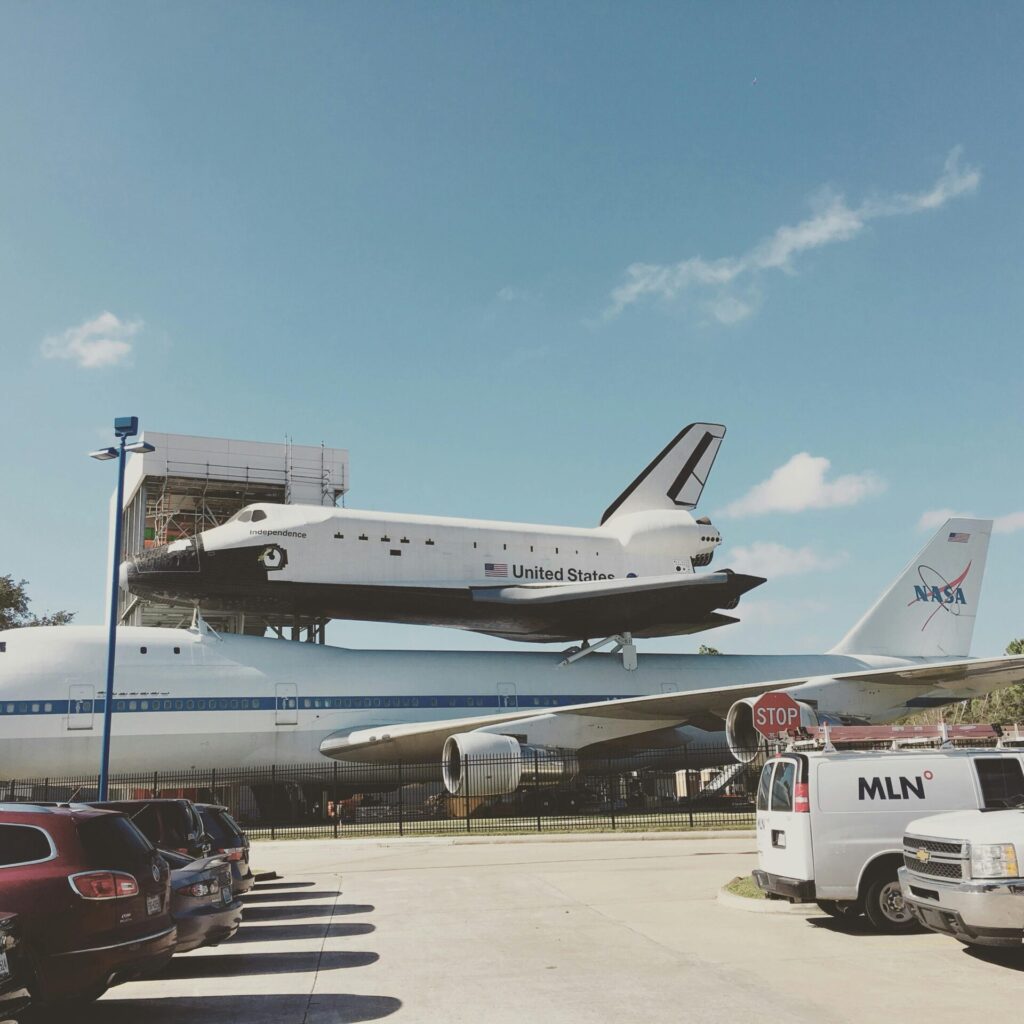
This approach also applies at the program level. Space agencies launch multiple missions knowing that some will fail. The goal is not zero failure, but acceptable failure rates that still produce net progress. Trying to eliminate all failure would eliminate exploration itself, because exploration by definition involves the unknown.
Human Spaceflight and the Moral Weight of Failure
Nowhere is the acceptance of failure more ethically complex than in human spaceflight. When lives are at stake, failure carries a moral weight that machines do not. Yet even here, space exploration cannot function without confronting the possibility of loss.
Human spaceflight operates under the principle of informed risk. Astronauts understand that they are entering an environment that cannot be made completely safe. No amount of testing or redundancy can eliminate uncertainty. What can be done is to reduce risk to a level deemed acceptable in pursuit of broader goals.
This acceptance has shaped spacecraft design, mission planning, and astronaut training. Crews train extensively for failure scenarios, not because failure is expected, but because it is possible. Simulators are designed to break systems unexpectedly, forcing astronauts to respond under pressure. The goal is not to avoid failure, but to survive it.
Tragic accidents have reinforced this philosophy. Each loss has led to profound reevaluations of assumptions, organizational culture, and technical decisions. While these events are painful, they also underscore a fundamental truth: denying the possibility of failure increases its likelihood. Honest acknowledgment enables prevention.
Human spaceflight also demonstrates how failure acceptance builds trust. Astronauts trust the engineers who openly discuss risks rather than downplay them. The public’s trust, though fragile, is strengthened when agencies are transparent about what went wrong and why. Failure acknowledged is failure respected.
Failure as the Engine of Long-Term Progress
The deepest reason space exploration is built around accepting failure is that failure is the engine of long-term progress. Every successful mission stands on the ruins of earlier ones. Every reliable technology emerged from a lineage of broken prototypes, flawed models, and incorrect assumptions.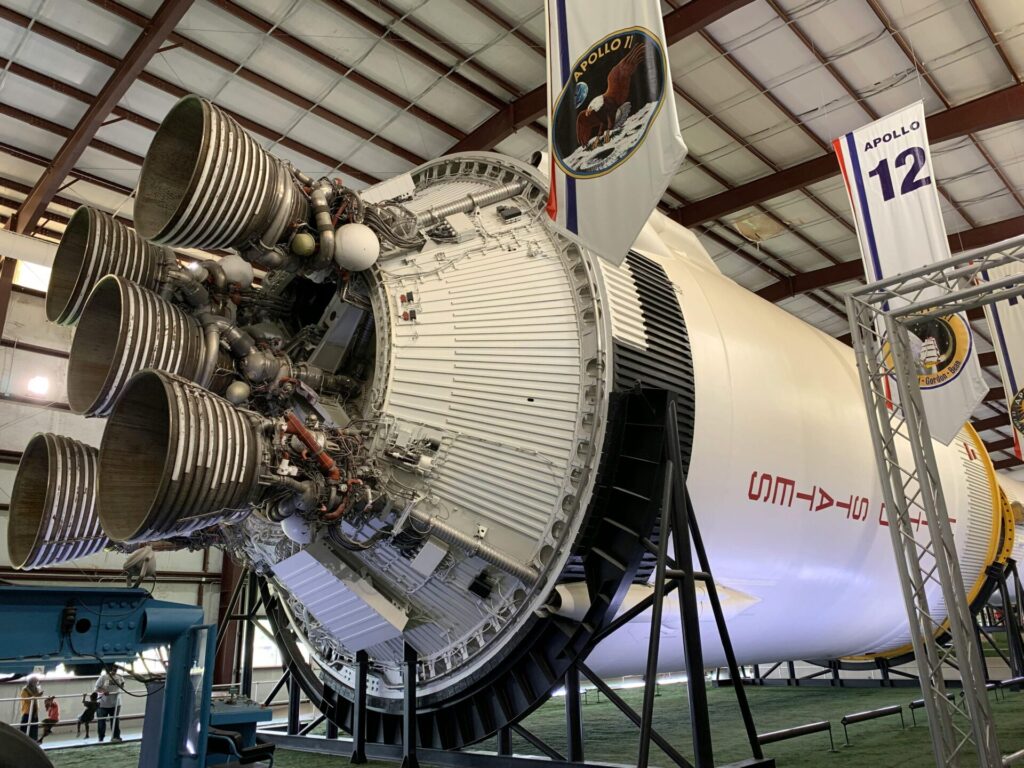
Over decades, patterns of failure reveal truths that success alone cannot. They expose hidden dependencies, weak links, and false confidence. Space exploration advances not by avoiding mistakes, but by systematically converting mistakes into knowledge. This process is slow, expensive, and often invisible, but it is profoundly effective.
Accepting failure also shapes how humanity understands exploration itself. Space is not a puzzle to be solved once, but a frontier to be engaged continuously. There will always be new environments, new technologies, and new unknowns. A mindset that cannot tolerate failure cannot tolerate exploration.
This philosophy has broader implications beyond space. It demonstrates how complex, high-risk endeavors benefit from humility. By admitting what we do not know and planning for what will go wrong, we create systems that are resilient rather than brittle. Space exploration’s greatest lesson may not be technological, but cultural.
In the end, rockets fly not because failure was eliminated, but because it was embraced. Probes reach distant worlds not because engineers were certain, but because they were prepared to be wrong. Space exploration moves forward by falling, learning, and trying again, and it always has.
About the Author
