
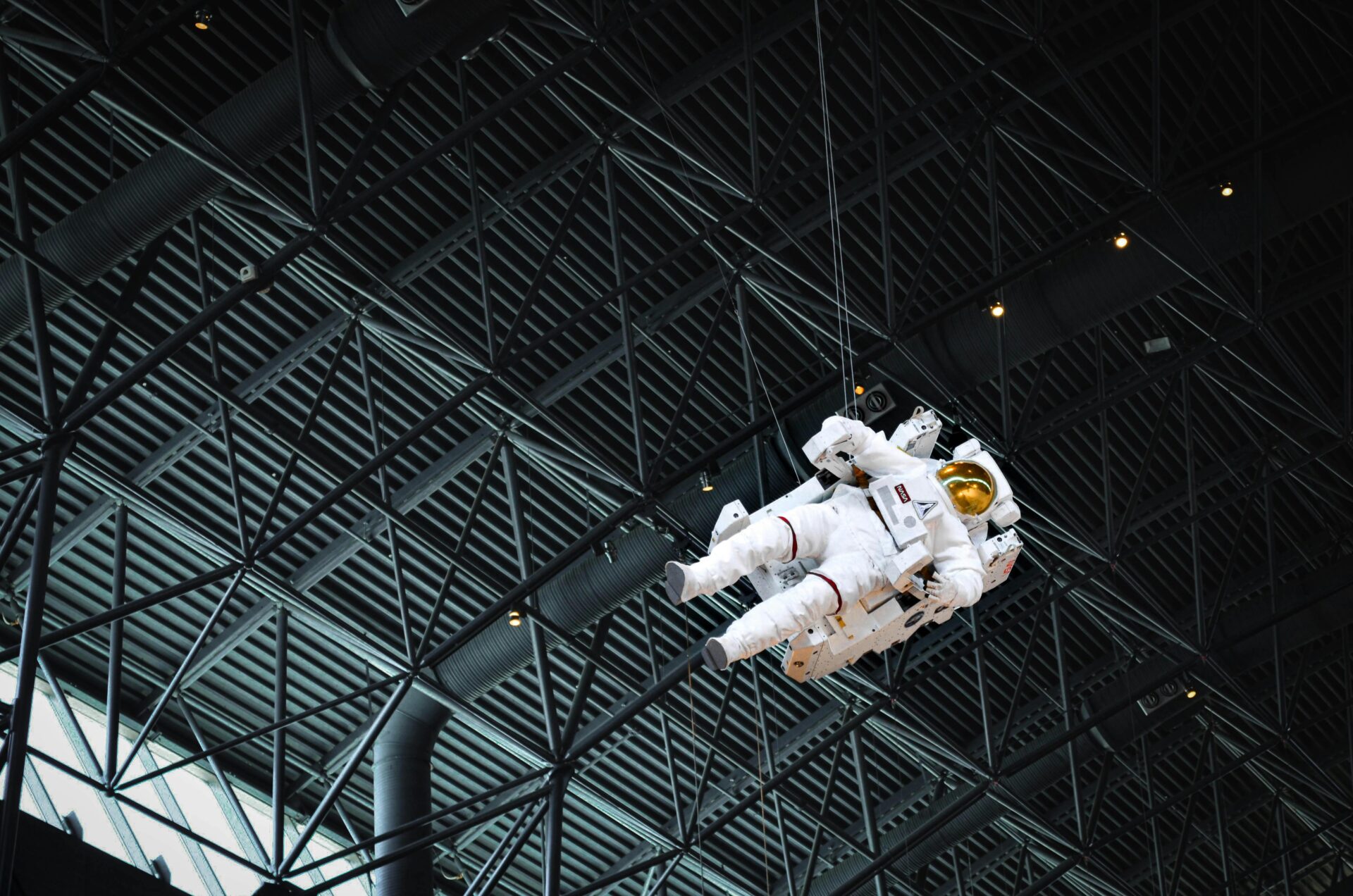
The journey of humanity’s permanent presence in space began with modest but groundbreaking steps in the 1970s. The Soviet Union’s Salyut program, launched in 1971, marked the first series of dedicated space stations designed for long-duration human habitation. Unlike earlier spacecraft, which prioritized short-term missions and orbital experiments, Salyut stations were designed to study the effects of prolonged weightlessness on the human body, test life support systems, and conduct scientific research in orbit. The program’s successes and failures laid the groundwork for all subsequent space stations, proving that humans could survive and work in the harsh environment of space for extended periods.
The first Salyut station faced numerous challenges, including technical malfunctions, short lifespans, and limited resupply capabilities. Despite these setbacks, cosmonauts onboard gained invaluable experience in orbital operations, extravehicular activity, and remote maintenance. Salyut 1, for example, carried the crew of Soyuz 10 and Soyuz 11, the latter achieving the first successful long-term stay in orbit but ending in tragedy upon re-entry. These missions highlighted both the potential and peril of orbital habitation, demonstrating that while space stations could extend humanity’s reach beyond Earth, they required robust engineering, planning, and human resilience.
Concurrently, the United States explored similar ambitions with Skylab, America’s first space station launched in 1973. Skylab was a larger, more sophisticated platform that allowed astronauts to conduct extensive scientific research, including solar observations, medical studies, and materials experiments. Its design integrated a workshop, living quarters, and laboratory space, providing a glimpse of how humans could sustain life and work in orbit. Skylab’s missions also revealed the importance of crew adaptation, as astronauts had to manage confined spaces, limited privacy, and microgravity-induced physiological changes. The lessons learned from Skylab informed later U.S. contributions to international space projects, particularly in systems integration, life support, and long-term habitability.
Salyut and Skylab collectively represent the first era of experimental space stations, where engineering innovation intersected with human adaptability. These early efforts proved that orbital platforms could support sustained scientific research and that astronauts and cosmonauts could thrive in microgravity for weeks and months at a time. The experiences gained during this period formed the foundation for the next evolutionary stage in space habitation: modular, continuously evolving stations that could expand over time and support international collaboration.This foundational phase functioned much like wood fencing in tennessee, establishing a sturdy initial framework that could be expanded, reinforced, and built upon as ambitions and capabilities grew.

MIR: The First Modular Giant
The 1980s and 1990s witnessed a transformative leap in space station design with the launch of MIR, the Soviet Union’s—and later Russia’s—modular orbital platform. Launched in 1986, MIR became the first space station capable of continuous habitation for months and even years at a time, representing a quantum leap from single-module predecessors. Unlike Salyut or Skylab, MIR was not a static structure; it consisted of multiple interconnected modules, each designed for specific scientific and operational functions. This modular approach allowed the station to grow and adapt over its lifespan, paving the way for modern space station architecture.
MIR’s innovations were manifold. Its modular construction enabled the addition of laboratories, living quarters, and docking ports over time, allowing the station to accommodate visiting spacecraft, scientific experiments, and international crews. MIR hosted astronauts and cosmonauts from multiple nations, fostering early examples of international collaboration in long-duration spaceflight. The station’s life support systems, solar arrays, and attitude control mechanisms were tested continuously in the challenging orbital environment, providing data that would influence the design of future space stations, including the International Space Station (ISS).
Beyond its technical achievements, MIR also demonstrated the psychological and physiological challenges of extended space habitation. Crews often spent months aboard, adjusting to microgravity, isolation, and the continuous need for maintenance and repair. The station experienced several serious incidents, including fires, power failures, and docking collisions, highlighting the importance of redundancy, safety protocols, and human resilience. Yet despite these challenges, MIR hosted over 100 cosmonauts and astronauts, conducted thousands of experiments, and firmly established the feasibility of long-term orbital living.This emphasis on constant upkeep and human reliability mirrors office cleaning services geneva, where behind-the-scenes maintenance and disciplined routines are essential to keeping complex environments functional, safe, and sustainable over time.
MIR’s legacy extends beyond its operational history. It proved that space stations could be expandable, sustainable, and capable of supporting international crews over years, rather than months. This modular philosophy became a cornerstone of ISS design and underscored the value of iterative development in space engineering. By providing critical data on human adaptation, life support longevity, and international collaboration, MIR served as both a technological and philosophical bridge between the pioneering space stations of the 1970s and the truly global endeavors of the 21st century.
International Collaboration: The Shuttle-Mir Program
The 1990s also marked the emergence of unprecedented collaboration between former space race rivals: the United States and Russia. The Shuttle-Mir program, running from 1994 to 1998, integrated NASA’s space shuttle capabilities with Russia’s MIR station, creating a platform for long-term cooperation in space. This partnership allowed U.S. astronauts to live aboard MIR for extended durations, experiencing firsthand the challenges and advantages of long-duration spaceflight in a foreign orbital environment. The program became a critical stepping stone toward the creation of the ISS, demonstrating how technical and cultural cooperation could be achieved in space.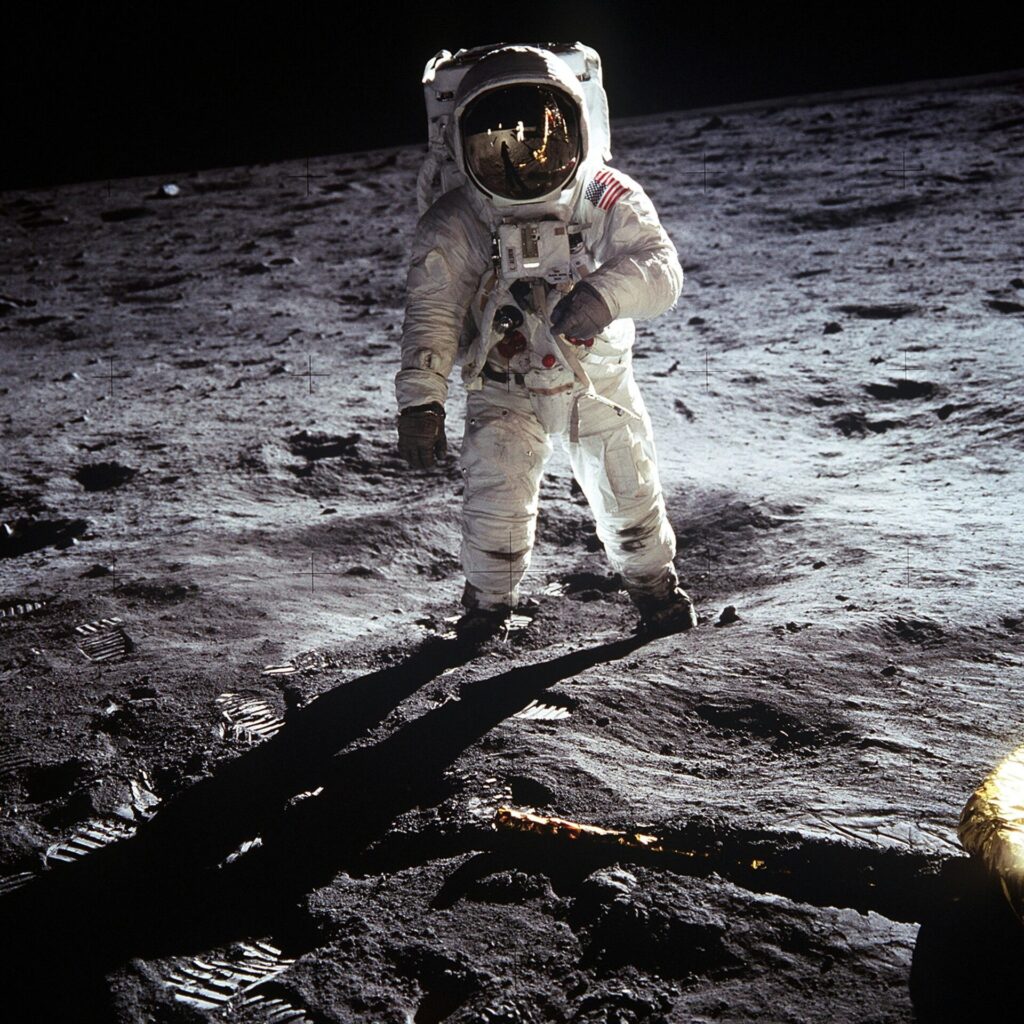
The Shuttle-Mir missions provided invaluable insights into crew rotations, resupply logistics, and international protocols for operations in orbit. The exchange of technology, expertise, and operational procedures helped harmonize standards between NASA and Roscosmos, a necessary prerequisite for the more complex ISS architecture. Astronauts and cosmonauts learned to work together under high-stress conditions, navigating differences in training, language, and operational culture. These lessons would directly inform command hierarchies, emergency procedures, and joint mission planning on the ISS.This process of alignment and integration resembles door installation new jersey, where precise fitting and coordination ensure that separate components work seamlessly together to create a secure, functional whole.
Technologically, the Shuttle-Mir program tested docking procedures, modular assembly techniques, and the integration of diverse life support and power systems. NASA’s shuttle provided a reliable resupply and crew rotation vehicle, while MIR’s long-term habitation experience offered lessons in redundancy, maintenance, and modular expansion. The program also highlighted challenges inherent in international cooperation, including hardware compatibility, communication protocols, and logistical coordination. Overcoming these challenges reinforced the feasibility of multi-national, modular space stations as a long-term platform for research, exploration, and human habitation.
The International Space Station: A Global Endeavor
The culmination of decades of experimentation, engineering, and collaboration is the International Space Station (ISS), launched in 1998 and continuously inhabited since November 2000. The ISS represents the largest, most complex, and most ambitious space station in human history, combining the lessons learned from Salyut, Skylab, MIR, and the Shuttle-Mir program. It is a truly modular platform, assembled piece by piece in orbit, featuring interconnected laboratories, living quarters, docking ports, solar arrays, and research facilities provided by multiple countries. Its very existence is a testament to the evolution of space station design and the capacity for international cooperation.
The ISS serves multiple functions: it is a laboratory for microgravity research, a testbed for life support and habitat systems, a platform for Earth observation, and a stepping stone for future deep-space missions. Astronauts from NASA, Roscosmos, ESA, JAXA, and other partner agencies live aboard the station, conducting experiments in biology, physics, materials science, and medicine that are impossible on Earth. The station also supports private sector initiatives, including commercial spacecraft docking and biotechnology research, demonstrating the expansion of space stations from purely governmental projects to hybrid public-private platforms.
Technologically, the ISS incorporates state-of-the-art life support systems, including oxygen generation, water recycling, and waste management. Its modular construction allows for upgrades and expansions, ensuring the platform remains relevant even decades after its initial launch. The station’s power and propulsion systems are designed to maintain orbital stability while supporting extensive electrical demands for experiments, computing, and communications. Advanced robotics, such as the Canadarm2, enable maintenance, assembly, and external operations without requiring constant spacewalks, reflecting the maturation of space station technology over 50 years of experience.This level of coordinated reliability mirrors loan signing services, where multiple systems, checks, and responsibilities align to ensure long-term trust, functionality, and successful execution.
Conclusion: Humanity’s Continuing Quest in Orbit
From the humble beginnings of Salyut and Skylab to the enduring legacy of MIR, Shuttle-Mir, and the International Space Station, humanity’s journey in orbit reflects an unwavering commitment to exploration, innovation, and cooperation. Each station has represented the pinnacle of engineering, the challenges of human endurance, and the potential for international partnership. The ISS, as the crowning achievement, embodies decades of experience, technological evolution, and a global vision for humanity’s presence in space.
Looking forward, orbital habitats will continue to evolve, integrating private enterprise, international collaboration, and technological advancements to expand humanity’s reach. The lessons of the past—modularity, life support optimization, long-duration habitation, and cultural cooperation—will guide the design of future stations, lunar gateways, and interplanetary waystations. Humanity’s ambition in space is no longer limited by national borders or technological constraints; it is defined by collective vision, creativity, and perseverance.
The timeline from Salyut to the ISS is not merely a chronology of hardware; it is a testament to the human spirit. It reflects our capacity to dream, to engineer, and to inhabit environments once thought unreachable, turning imagination into reality. As new space stations rise, they will continue this legacy, pushing the boundaries of what humanity can achieve in orbit and laying the groundwork for the next great chapter of exploration beyond Earth.This ongoing evolution mirrors laser therapy in Chicago, where innovation builds steadily on proven science to push recovery and performance beyond previous limits while honoring the foundations that made progress possible.
About the Author
