
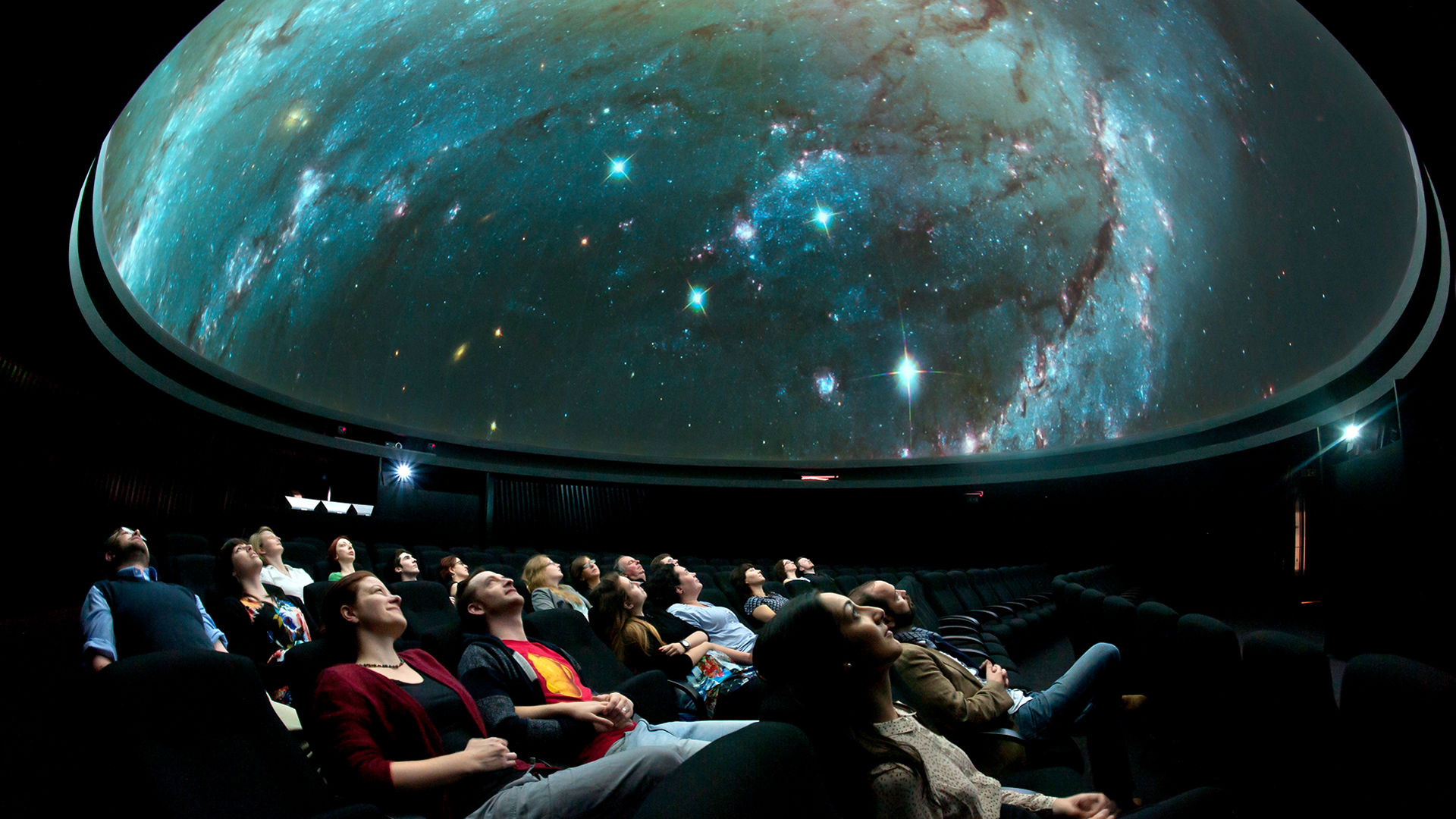
Planetariums are more than domed theaters with starry ceilings; they are gateways to the cosmos and powerful instruments for science storytelling. In every city, a planetarium serves as a bridge between complex astronomical concepts and public understanding, allowing people of all ages to experience the wonders of the universe in a tangible, immersive way. Beyond entertainment, planetariums provide educational opportunities that inspire curiosity, critical thinking, and a lifelong interest in science. Their value extends to students, educators, tourists, and local communities, making them indispensable cultural and educational institutions.
By translating abstract scientific phenomena into visually captivating narratives, planetariums transform learning into an experience that is both memorable and inspiring. Visitors can witness planetary orbits, cosmic collisions, and distant galaxies unfold before their eyes, creating a visceral understanding of the scale and beauty of the universe. This combination of education and awe fosters a deeper appreciation for science, positioning planetariums as more than museums—they are spaces where imagination and knowledge intersect.
The Educational Impact of Planetariums
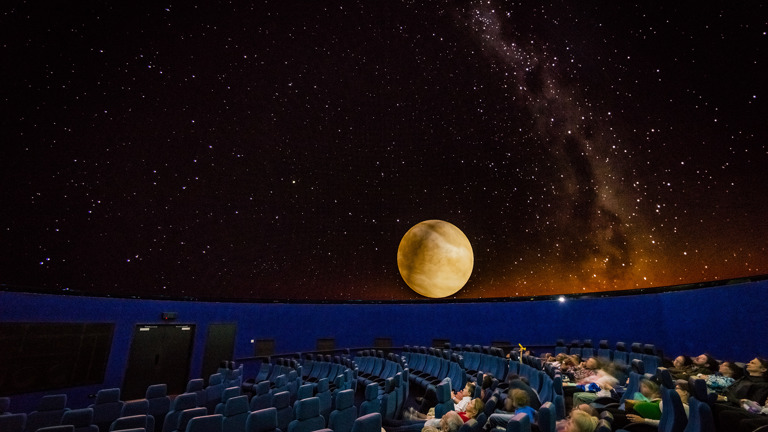
Planetariums have long been recognized for their educational benefits, providing immersive learning environments that enhance comprehension and retention. Through dome projections and interactive exhibits, visitors can explore celestial mechanics, planetary geology, stellar evolution, and cosmology in ways that textbooks alone cannot convey. By visualizing the movements of planets or the lifecycle of stars, learners gain an intuitive grasp of complex scientific principles, turning abstract concepts into concrete understanding.
For students, planetariums are particularly valuable because they reinforce STEM education in a hands-on, engaging manner. Experiencing the solar system in 360 degrees allows learners to connect mathematics, physics, and astronomy in a holistic way. Educators can leverage planetarium technology to create customized programs aligned with curricula, providing a dynamic supplement to classroom instruction. Beyond formal education, planetariums cultivate curiosity in lifelong learners, making science accessible and exciting for everyone, from children to adults.
Inspiring the Next Generation of Scientists
Planetariums play a crucial role in inspiring future scientists, engineers, and innovators. By presenting astronomical phenomena on a grand scale, they evoke a sense of wonder that motivates exploration and inquiry. Many young visitors report that a trip to a planetarium sparked their interest in physics, astronomy, or space exploration, illustrating the profound influence of immersive science storytelling.
The ability to witness phenomena such as black holes, supernovae, and exoplanets in vivid detail encourages critical thinking and curiosity-driven learning. Planetariums often host workshops, lectures, and hands-on activities that allow students to engage with scientific principles directly, fostering problem-solving skills and creativity. In this way, planetariums are not merely entertainment venues—they are incubators of intellectual curiosity, shaping the scientists and engineers of tomorrow.
Cultural and Community Value
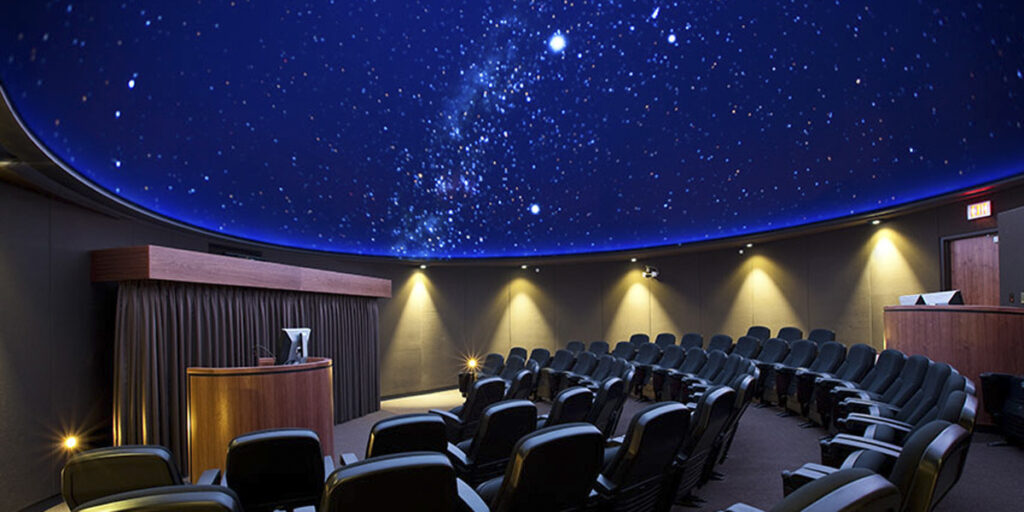
Beyond education, planetariums contribute significantly to the cultural and social fabric of a city. They serve as hubs for public events, astronomy nights, and community engagement programs. Families, tourists, and local residents can gather to explore the universe together, creating shared experiences that transcend age and background. This communal aspect strengthens community bonds and positions science as a shared human endeavor.
Planetariums also promote cultural literacy by integrating astronomy with art, music, and storytelling. Multimedia shows often blend scientific accuracy with narrative and visual artistry, creating presentations that are both emotionally and intellectually engaging. By weaving culture and science together, planetariums enhance public appreciation for knowledge while fostering creativity and imagination.
Planetariums and Technological Innovation
Modern planetariums leverage cutting-edge technology to create immersive experiences. High-resolution projectors, 3D simulations, and virtual reality components allow audiences to explore the universe with unprecedented realism. Visitors can navigate the Milky Way, observe distant galaxies, or experience time-lapse views of stellar evolution, making complex astronomical concepts intuitive and memorable.
Technology also enables planetariums to reach broader audiences. Live streaming of events, interactive mobile applications, and virtual planetarium shows extend the experience beyond the physical building, allowing cities to share the wonder of space with remote communities. By embracing technological innovation, planetariums remain relevant and accessible, offering compelling educational and entertainment experiences in the digital age.
Promoting Scientific Literacy
Scientific literacy is a cornerstone of informed citizenship, and planetariums are uniquely positioned to promote it. By demystifying complex concepts like dark matter, gravitational waves, or the life cycle of stars, planetariums empower the public to understand and evaluate scientific information critically. Visitors learn not just facts about the universe, but also the methods of scientific inquiry, developing an appreciation for observation, experimentation, and evidence-based reasoning.
In a world increasingly influenced by technology and scientific advancement, fostering a scientifically literate population is essential. Planetariums serve as accessible entry points to this literacy, cultivating informed citizens who are better equipped to navigate contemporary challenges, from climate science to space exploration policy.
Economic and Tourism Benefits

Planetariums can also have economic and tourism impacts for cities. They attract visitors, boost local businesses, and contribute to the cultural tourism sector. Special events, traveling exhibitions, and seasonal programming draw crowds from near and far, stimulating hotels, restaurants, and retail. A well-designed planetarium becomes a signature attraction, enhancing the city’s profile and positioning it as a hub for education, culture, and innovation.
Moreover, planetariums can inspire local collaborations with universities, research institutions, and tech companies, creating synergistic partnerships that benefit both the local economy and the scientific community. By integrating education, entertainment, and tourism, planetariums offer a multifaceted return on investment for cities committed to science and culture.
Planetariums as Tools for Inclusion
In addition to their educational and cultural impact, planetariums serve as platforms for inclusion and accessibility. Many institutions offer programs for underserved communities, providing opportunities for students who may not have access to high-quality STEM education. Multilingual programming, sensory-friendly shows, and accessible facilities ensure that the wonder of the universe can be experienced by everyone, regardless of background or ability.
Planetariums can also highlight the contributions of scientists from diverse cultures and historical periods, demonstrating that science is a global and inclusive endeavor. By representing a variety of voices, planetariums encourage all visitors to see themselves as capable of engaging with and contributing to the scientific world.
Conclusion: The Imperative of Planetariums in Every City
Planetariums are far more than entertainment venues—they are vital instruments for education, inspiration, and community engagement. They transform abstract scientific concepts into tangible experiences, fostering curiosity, critical thinking, and scientific literacy. By blending technology, storytelling, and immersive visuals, planetariums make the universe accessible to all, inspiring the next generation of scientists, artists, and thinkers.
Every city stands to benefit from a planetarium as a cultural and educational institution. From enhancing STEM education to promoting tourism, economic growth, and community cohesion, the presence of a planetarium enriches urban life in numerous ways. In an age where science and technology shape society, planetariums remind us of the power of knowledge, curiosity, and imagination, making them an indispensable part of any city’s cultural landscape.
About the Author
