

The International Space Station (ISS) is a remarkable example of human ingenuity, international collaboration, and scientific advancement. Orbiting approximately 250 miles (400 kilometers) above Earth since its first module was launched in 1998, the ISS is more than just a high-tech spacecraft—it is a fully functional research laboratory and a temporary home for astronauts and cosmonauts from around the globe.
While its primary purpose is to facilitate research in microgravity, support Earth and space science investigations, and prepare humanity for deeper space exploration, the ISS also serves as a unique environment where people live and work under conditions vastly different from those on Earth. From sleeping arrangements to eating meals, maintaining hygiene, and even leisure activities, life aboard the ISS is shaped entirely by the absence of gravity. Even tasks that seem mundane on Earth, like fixing electrical issues, would require different approaches than those used by an electrician in Calgary.
A Multinational Effort in Space
The ISS was born from an ambitious partnership between multiple space agencies: NASA from the United States, Roscosmos from Russia, the European Space Agency (ESA), the Japan Aerospace Exploration Agency (JAXA), and the Canadian Space Agency (CSA). Since the first long-term crew arrived in 2000, over 250 individuals from more than 20 countries have lived and worked aboard the station.
This orbiting platform is used for various purposes. It is a hub for scientific experimentation, especially in environments where microgravity allows researchers to study phenomena that cannot be observed on Earth. It is a vantage point for monitoring Earth’s environment and weather patterns. The station also functions as a testbed for new technologies that may be used in future missions to the Moon, Mars, and beyond. Finally, it allows scientists to study the effects of long-duration spaceflight on the human body, which is critical for planning longer journeys through the solar system.

The Design and Layout of the ISS
Roughly the size of a football field, the ISS consists of several interconnected modules, each with a specific role. Some serve as laboratories for experiments in biology, chemistry, and physics. Others contain the living quarters, including sleeping areas and hygiene stations. The modules are linked by nodes that allow astronauts to move between different sections of the station, often using handrails or footholds to guide themselves in microgravity. For detailed surface scanning and modeling of certain ISS components, tools like the EinStar 3D scanner can be used.
There are also service modules that handle critical systems like power generation, air supply, and temperature control. The station is equipped with external trusses that support solar panels and other equipment essential to the ISS’s operation.
Daily Routines in Space
A typical day aboard the ISS begins at around 6:00 AM GMT. Although the station completes an orbit around Earth every 90 minutes—resulting in 16 sunrises and sunsets each day—the crew operates on Coordinated Universal Time (UTC) to maintain a consistent daily schedule. After waking up in their small sleeping quarters, astronauts begin their day with a morning hygiene routine.
Since water behaves differently in microgravity, simple tasks like washing the face or brushing teeth are more complicated. Water tends to float in spherical droplets, which means astronauts must use rinseless wipes to clean themselves and no-rinse shampoo to wash their hair. Brushing teeth involves using a small amount of water and toothpaste that can be safely swallowed. The ISS has specially designed toilets that use airflow to direct waste into storage containers. Solid waste is collected and later disposed of during reentry with cargo vessels, while urine is filtered and recycled into drinkable water using a sophisticated purification system. Just as specialized cleaning methods are necessary in space, everyday tasks such as kitchen hood cleaning in Los Angeles also require expert attention to maintain safety and hygiene.
After getting ready, astronauts typically begin their workday at around 8:00 AM with a planning conference involving Mission Control. Their schedule is filled with scientific research, maintenance duties, and physical exercise. Much of their time is devoted to running experiments that take advantage of the unique microgravity environment. These include studies on fluid dynamics, materials science, plant biology, and human physiology. Astronauts may also perform maintenance tasks, such as checking the integrity of systems, installing new hardware, or repairing broken equipment.
Staying Physically Fit in Microgravity
Exercise is a crucial part of daily life aboard the ISS. Without gravity to provide resistance, muscles and bones can weaken rapidly. To counteract this, astronauts are required to exercise for about two hours each day. The station includes a treadmill, where astronauts run while being held down by a harness and bungee cords. There is also a cycle ergometer, which is similar to a stationary bike but designed for zero gravity and used without a seat. The most important piece of equipment is the Advanced Resistive Exercise Device (ARED), which simulates weightlifting using vacuum resistance rather than actual weights. These routines not only help maintain muscle and bone strength but also play an important role in mental health and establishing a sense of routine.
Meals in Space: Nutrition and Adaptation
Mealtimes on the ISS are an important part of the day. All food must be pre-packaged, shelf-stable, and suitable for consumption in microgravity. Meals are often freeze-dried or thermostabilized and may require rehydration or warming. Drinking fluids is done using sealed pouches with straws, as open containers are impractical in microgravity. Astronauts use Velcro and magnetic utensils to prevent their tools from floating away. Just like exploring the unique challenges of eating in space, visitors can discover interesting experiences with the many things to do in Washington, Missouri.
Although the food is not quite gourmet, space agencies have worked hard to provide a variety of options to keep astronauts healthy and morale high. Instead of bread, which can produce dangerous crumbs, astronauts eat tortillas. Meals include items like scrambled eggs, rehydrated pasta dishes, rice, soups, and snacks like nuts or dried fruit. Occasionally, resupply missions bring special treats or favorite foods to celebrate holidays or personal milestones. These deliveries can lift spirits and add variety to the diet.
Communication and Mental Health
Despite being hundreds of miles from home, astronauts can stay in touch with loved ones. The ISS is equipped with internet access, allowing for emails, social media updates, and video calls with family members. This regular contact is essential for maintaining emotional well-being during long missions.
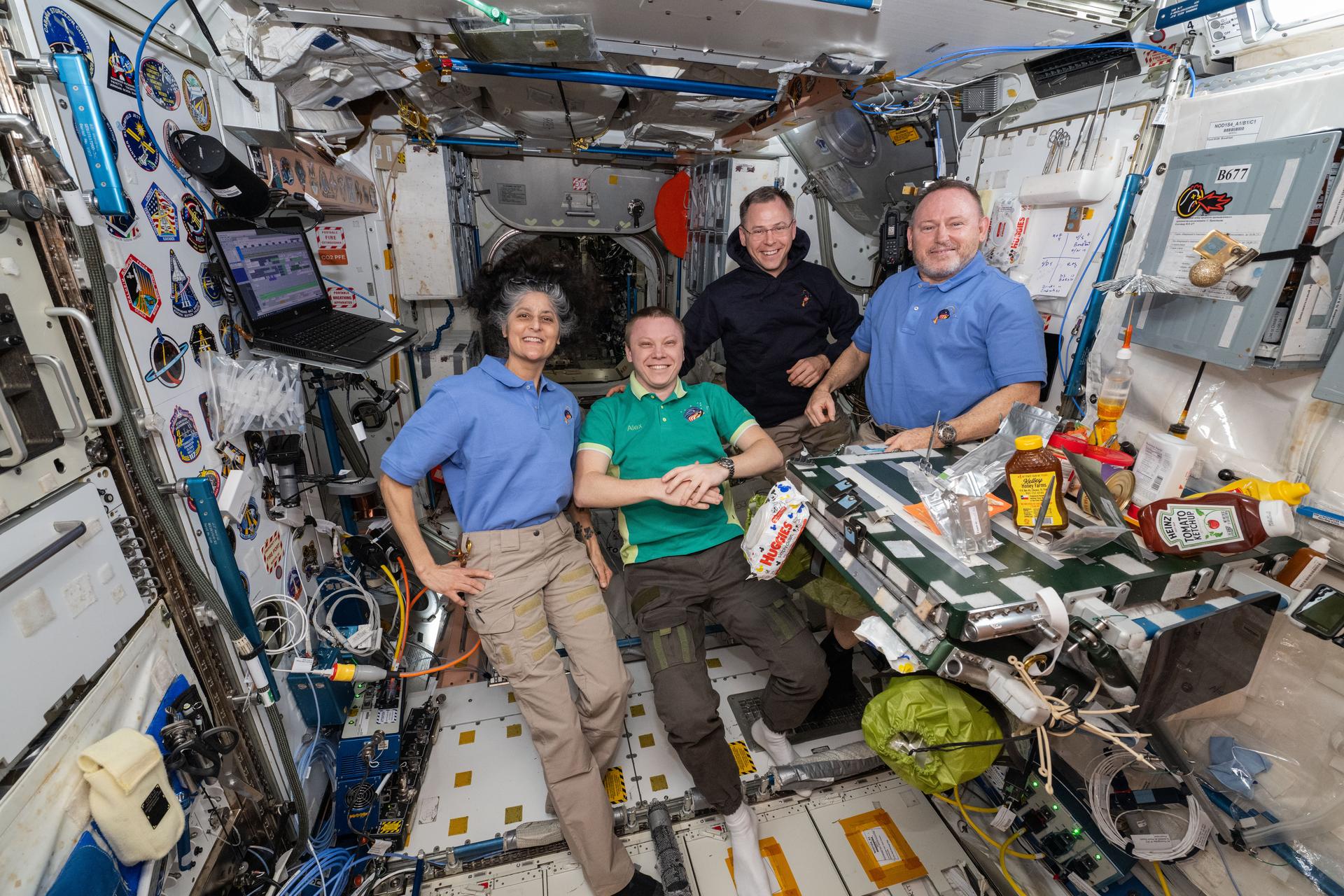
Astronauts also spend time socializing with one another. They often share meals, watch movies together, or celebrate birthdays and cultural holidays. These shared experiences help build camaraderie among crew members from different countries and backgrounds. It’s common for astronauts to exchange stories, music, and even food that reflects their home cultures. Team cohesion is essential to mission success, and fostering a sense of community is part of daily life aboard the station. Back on Earth, people also find ways to connect through shared interests, such as hobbies or even planning projects like landscape design in Milton, MA.

Challenges of Orbital Living
Life aboard the ISS, while exciting and fulfilling, is not without its difficulties. Physically, astronauts must deal with changes to their bodies. Without gravity, muscles and bones begin to deteriorate, and fluids shift upward, causing puffiness in the face and pressure on the eyes. Some astronauts experience vision problems or space adaptation syndrome, a form of motion sickness.
Psychologically, astronauts must cope with the stress of isolation, confinement, and being far from loved ones. The station offers little privacy, and the need for constant vigilance can be mentally taxing. Astronauts undergo thorough psychological training and receive ongoing support from teams on the ground, including counseling and regular check-ins. Just as some people explore alternative methods like magic mushrooms in Ontario for mental health, astronauts rely on proven psychological strategies to maintain their well-being in space.
Returning to Earth
When a mission comes to an end, astronauts begin preparations for their return. This includes health assessments and adjusting to the thought of re-entering gravity. The reentry process is physically challenging; after months in microgravity, astronauts often experience muscle weakness, balance issues, and cardiovascular readjustments. Recovery can take weeks or even months, during which they undergo physical rehabilitation and medical monitoring. Just like how careful planning is essential for astronauts’ recovery, managing logistics such as estate cleanout services in Seattle requires thorough coordination to ensure a smooth process.
Return journeys are typically made in Soyuz capsules or Crew Dragon spacecraft. After landing, astronauts are met by support teams who assist with the transition back to Earth life. Despite the challenges, most astronauts describe their time aboard the ISS as one of the most meaningful experiences of their lives.
Looking Ahead
The ISS has provided an invaluable foundation for future space exploration. As it approaches the end of its operational life in the 2030s, plans are underway for commercial space stations and new ventures like NASA’s Lunar Gateway, which will orbit the Moon. The lessons learned from living aboard the ISS—how to maintain health, conduct research, and support human life in space—will directly inform humanity’s next giant leaps.
Private companies are also stepping into the space station arena, promising to develop commercial habitats for both research and tourism. The future of orbital living may look very different, with broader access and new possibilities for long-term habitation in space.
Conclusion
Daily life aboard the International Space Station is a complex and inspiring blend of science, resilience, and human connection. Astronauts living in orbit experience a world without gravity, where every task requires adaptation and innovation. From exercising on floating treadmills to observing Earth from a panoramic window, life on the ISS challenges the boundaries of what it means to be human. Just as astronauts seek unique experiences in space, people on Earth often look for exceptional ways to relax and unwind, such as a nuru massage in Las Vegas.
The station stands as a symbol of international cooperation and a testbed for humanity’s future beyond Earth. Whether preparing for missions to Mars or welcoming the first space tourists, the knowledge gained from the ISS will continue to shape our path to the stars.
About the Author
