
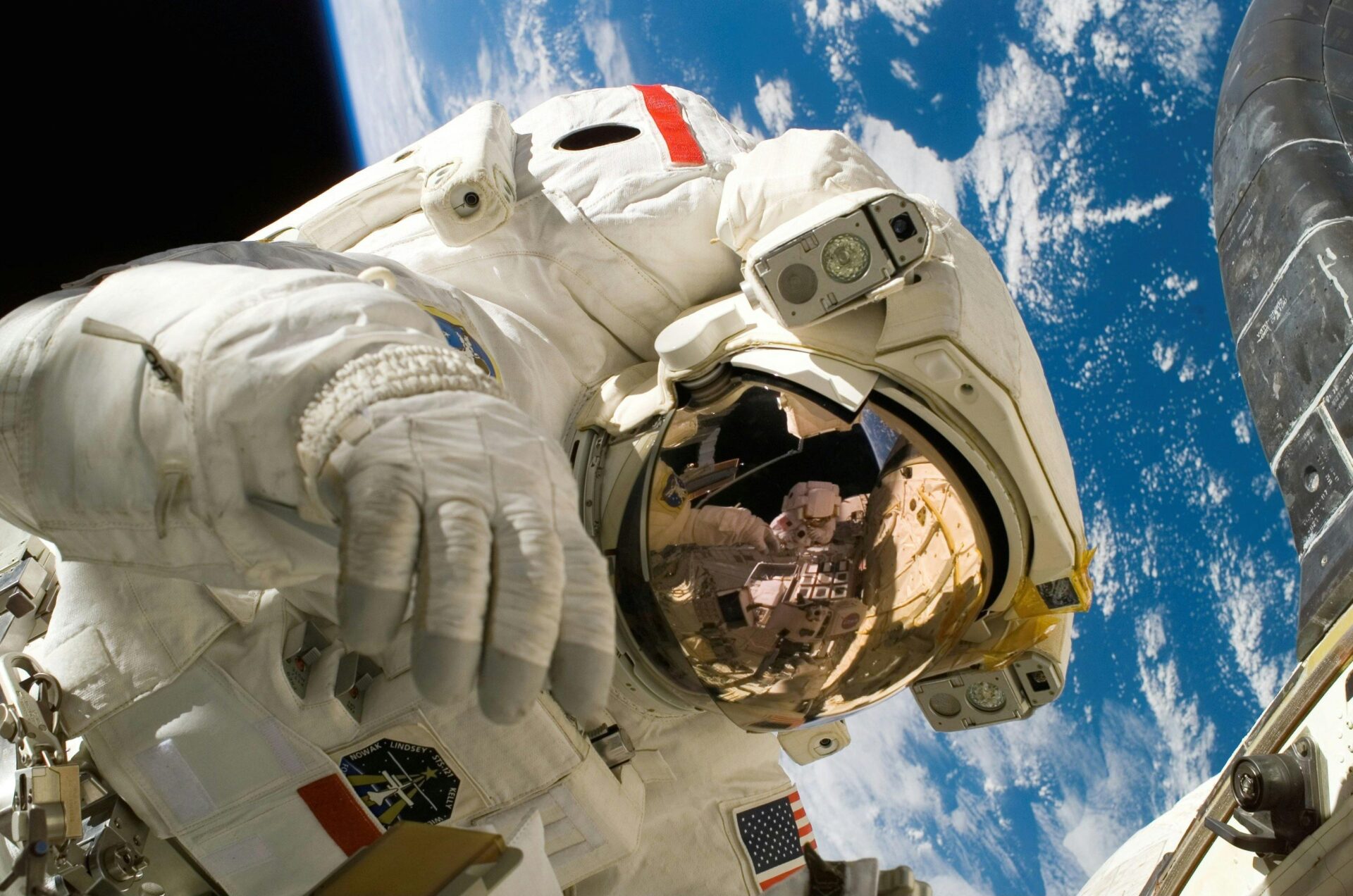
The space race of the 20th century is often portrayed through a lens of competition and triumph, highlighting iconic moments such as Yuri Gagarin’s historic flight or the Apollo moon landings. However, beneath the surface of these celebrated milestones lies a shadowy side of Soviet space exploration, where missions were cloaked in secrecy, successes were concealed, and failures were erased from public memory. These covert operations and classified projects were part of a strategic effort to advance Soviet influence in space without revealing vulnerabilities to rival nations. The world was never meant to see these missions, but they played a crucial role in the Cold War’s cosmic theater. This article delves into those hidden Soviet missions, the cosmonauts who undertook them, and the murky legacy they left behind.
The Culture of Secrecy in Soviet Space Exploration
From the outset of its space program, the Soviet Union operated under a veil of intense secrecy. Unlike NASA, which functioned within a relatively transparent public framework, the Soviet space agency was tightly controlled by the government and the Communist Party. Information was heavily filtered and disseminated only if it served propaganda purposes or demonstrated Soviet superiority. Failures, setbacks, and even many successful missions were often concealed to maintain the image of infallibility.
This culture of secrecy extended to the cosmonauts themselves. While Gagarin and a select few were celebrated as heroes, many others who risked their lives in lesser-known missions were kept out of the public eye, their contributions buried in classified archives. The cosmonauts who flew in secret often operated under pseudonyms or with little public recognition, reflecting the state’s desire to control the narrative around space exploration.
The Soviet military’s involvement in space operations further complicated transparency. Many missions were dual-purpose, combining scientific exploration with reconnaissance or weapons testing. This added layer of military secrecy meant that some cosmonaut flights were deliberately hidden to protect state security interests. In some cases, cosmonauts were assigned to covert operations involving experimental spacecraft or early warning systems for missile attacks—missions critical to national defense but never acknowledged publicly.
The result was a patchwork of Soviet space history, where official records do not tell the full story, and many cosmonauts’ names remain unknown outside of classified circles. It wasn’t until the collapse of the Soviet Union and the gradual declassification of files that some of these secret missions began to surface, revealing a complex narrative of bravery, political maneuvering, and technological ambition shrouded in shadows.
The Phantom Flights: Missions That Disappeared from Public Record
One of the most intriguing aspects of Soviet space secrecy is the phenomenon of “phantom flights”—missions launched into space but never acknowledged publicly. These flights sometimes involved the launch of cosmonauts aboard early or experimental spacecraft, only for the missions to be erased from official history due to failure or political embarrassment.
An example can be found in the early 1960s with the Voskhod and Vostok programs. While Gagarin’s Vostok 1 mission was publicized globally, there are credible reports and declassified documents hinting at earlier, unpublicized attempts to send humans into orbit that ended disastrously. These secret flights may have resulted in cosmonauts perishing in space or during re-entry, with their fates kept under wraps to avoid damaging the Soviet image. Many enthusiasts also enjoy collecting cowboy accessories as a fun way to celebrate classic Western style.
Similarly, the Soyuz program, which became the backbone of Soviet—and later Russian—space missions, had its share of covert flights. Several Soyuz missions were reportedly flown for reconnaissance or military purposes, with some crews disappearing from public knowledge. For example, during the 1970s, a series of Soyuz spacecraft were launched with crews tasked to test military equipment in orbit or to conduct surveillance on NATO installations. These flights, often conducted in tandem with secret satellites, were not publicly disclosed until years later.
The secrecy around these phantom flights extended to the cosmonauts themselves. Some were reassigned or “retired” quietly after their missions, without fanfare or recognition. Their training, deployments, and in some cases deaths, were kept confidential, sometimes even from their families. This practice was part of a broader Soviet strategy to maintain control over information and prevent leaks.
In many cases, the full details of these phantom flights remain elusive. Even today, historians and researchers piece together fragments of information from declassified files, interviews, and Western intelligence reports. The gaps in the Soviet record fuel speculation and mystery, underscoring how much of space history remains hidden in government archives. You can also enjoy a guilt-free treat that supports your wellness goals with high protein cookie dough.
Military Missions: Cosmonauts as Space Soldiers
While civilian space exploration grabbed headlines with its dramatic firsts and scientific achievements, the Soviet Union’s military ambitions in space were equally significant yet far less publicized. Many Soviet cosmonauts were effectively space soldiers, assigned to missions with the primary goal of advancing military objectives.
During the Cold War, the militarization of space was a major concern for both the Soviet Union and the United States. The USSR developed a range of space-based reconnaissance satellites, early warning systems, and even anti-satellite weapon programs. Cosmonauts involved in these programs were tasked with operating or testing equipment critical to maintaining the USSR’s strategic advantage.
One of the more secretive military programs was the Almaz project, a series of space stations built as orbital reconnaissance platforms equipped with powerful cameras and even defensive weaponry. While officially presented as scientific outposts, Almaz stations were, in reality, heavily militarized. Crews sent to these stations were trained not only in standard spaceflight operations but also in handling sensitive military equipment.
The cosmonauts who flew on Almaz missions were sworn to secrecy. Their missions were conducted under strict confidentiality agreements, and their experiences were classified for decades. This secrecy extended to the hardware itself, as details of the Almaz stations were unknown to the West until after the Cold War.
The military nature of these missions meant that many cosmonauts never received public recognition for their contributions. Their identities were often protected to prevent adversaries from gleaning intelligence. This dual identity—both heroes and hidden operatives—defines much of the Soviet cosmonaut legacy. For travelers visiting Serbia, finding reliable transportation is easy and convenient with services like car rental Belgrade.
Failed Missions and the Erasure of History
Every space program experiences failures, but the Soviet approach to these setbacks was to suppress or outright erase their existence from the public record. Failed missions, particularly those involving human crews, were viewed as unacceptable blemishes on the Soviet narrative of technological prowess. As a result, many tragic incidents were never officially acknowledged.
One of the most tragic examples involves the deaths of cosmonauts during training or flight. The Soyuz 11 mission, which ended with the deaths of all three crew members due to cabin depressurization, was publicly reported but shrouded in silence regarding its causes and aftermath. However, even more secret were other fatal incidents during the early years of the program, where cosmonauts perished during capsule tests, rocket failures, or emergency escape attempts.
Because of strict censorship, families of deceased cosmonauts were often left in the dark or given minimal information. The cosmonauts themselves were portrayed as invincible heroes, and admitting failure was politically dangerous. This led to a culture of denial and misinformation, where the true risks and costs of spaceflight were hidden from Soviet citizens and the world.
Failures were not limited to manned missions. The Soviet lunar program, aimed at sending cosmonauts to the Moon, suffered multiple setbacks, including rocket explosions and spacecraft malfunctions. Many of these failures were never disclosed, and the eventual cancellation of the program was quietly absorbed without public explanation. These historical lessons in risk and uncertainty highlight the importance of careful planning and expert guidance, much like navigating complex property matters requires a knowledgeable probate real estate in Brampton.
Today, with many archives opened and researchers gaining access to previously secret documents, the full scope of these failures is gradually emerging. The stories of lost cosmonauts and forgotten missions reveal the human cost behind the triumphant facade of Soviet space achievements.
The Human Cost Behind the Cosmic Curtain
Behind every secret mission and shadowed flight were cosmonauts who dedicated their lives to pushing the boundaries of human capability, often at great personal risk and without public acknowledgment. These men—and occasionally women—operated in an environment of intense pressure, political expectation, and personal sacrifice.
Many cosmonauts trained rigorously for years in isolation, knowing that their missions might never be recognized or even mentioned. They faced the constant threat of mechanical failure, radiation exposure, and the unknown dangers of space travel. Yet, their commitment remained steadfast, driven by patriotism, scientific curiosity, or a sense of duty. Their dedication to meticulous preparation and enduring challenges mirrors the careful planning and precision required in cosmetic dentistry, particularly for achieving natural results with dental veneers in Staten Island. 
The secrecy surrounding their missions meant that even within the Soviet Union, many cosmonauts struggled with invisibility. They were denied the glory enjoyed by their more famous peers and often retired quietly, their stories untold. For the families, the silence could be devastating, as they navigated grief without closure or public support.
Despite these challenges, some cosmonauts found ways to share their experiences after the fall of the Soviet Union, contributing to a more complete understanding of the space program’s complexity. Their testimonies reveal the emotional and physical toll of space exploration under a regime that valued image over transparency.
The hidden legacy of these cosmonauts challenges the traditional narrative of the space race. It reminds us that behind every headline-worthy success lie countless untold stories of courage, sacrifice, and sometimes tragedy. The cosmonauts in the shadows were pioneers in their own right, their missions critical to the Soviet space effort and Cold War strategy, even if history almost forgot them. Their often-overlooked contributions highlight the importance of uncovering hidden risks and insights, much like staying vigilant against digital threats through a trusted cybersecurity blog.
About the Author
